


How to Manage Diabetes with Diet & Lifestyle Changes
Diabetes can be effectively managed with the right diet and lifestyle changes, especially in early or moderate stages. Eating a balanced, low-glycemic diet, staying physically active with daily walking, sleeping well, managing stress, and drinking enough water help control blood sugar naturally. These habits improve insulin sensitivity, prevent sudden sugar spikes, and reduce the risk of long-term complications. When followed consistently and alongside regular monitoring and medical advice, lifestyle changes form a strong foundation for long-term diabetes control and better overall health.
Listen to This Article
Watch on Youtube


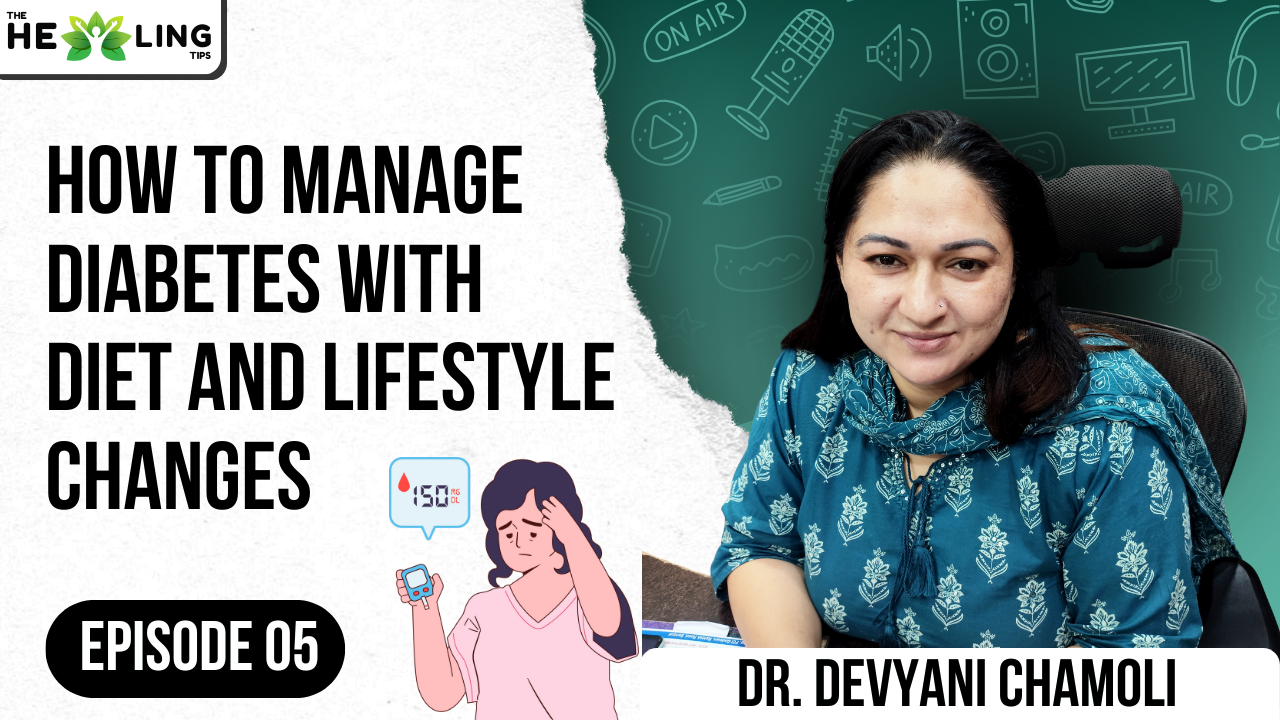
How to Manage Diabetes with Diet & Lifestyle Changes | Control Diabetes Naturally | Doctor Explains
Diabetes is one of the fastest-growing lifestyle diseases today, affecting people of all age groups. Many individuals search for ways to control diabetes naturally without increasing their dependence on medicines. While medication is important in many cases, doctors strongly agree that diet and lifestyle changes play a critical role in diabetes management.
The right food choices, daily activity, proper sleep, stress control, and hydration can significantly improve blood sugar levels and prevent long-term complications. In this blog, a doctor explains how to manage diabetes with diet and lifestyle changes in a simple, practical, and sustainable way.
What Is Diabetes? (Definition)
Diabetes is a chronic condition in which the body is unable to properly regulate blood sugar (glucose) levels. This happens either because the body does not produce enough insulin or cannot use insulin effectively.
📢 Types of Diabetes:
-
Type 1 Diabetes
-
Type 2 Diabetes
-
Gestational Diabetes
📊 Uncontrolled diabetes can damage the heart, kidneys, eyes, nerves, and blood vessels, making lifestyle management extremely important.
Why Diet Is Important in Diabetes Management
Diet is the foundation of diabetes control. What you eat directly affects your blood sugar levels within hours.
📊 How Food Impacts Blood Sugar
-
Carbohydrates raise blood glucose the fastest
-
Protein provides steady energy
-
Healthy fats slow sugar absorption
📢 A balanced diet helps prevent sudden sugar spikes and crashes.
🍽️ Doctor-Recommended Diet Principles for Diabetes
-
Eat smaller, frequent meals
-
Avoid refined sugar and white flour
-
Focus on low-glycemic foods
-
Include fiber in every meal
✅ A disciplined diet helps manage diabetes naturally and improves insulin sensitivity.
🥗 Best Foods for Diabetes Control
-
Whole grains (oats, brown rice, millets)
-
Green leafy vegetables
-
Pulses and legumes
-
Nuts and seeds
-
Fruits with low glycemic index (apple, berries, guava)
📢 These foods help stabilize blood sugar levels.
🚫 Foods to Limit or Avoid
-
Sugary drinks and sweets
-
White bread and bakery items
-
Fried and packaged foods
-
Excess salt and trans fats
Reducing these foods lowers the risk of insulin resistance.
Stay Active and Walk Daily
Physical activity is one of the most effective ways to control diabetes naturally.
🚶 Why Daily Walking Is Powerful
Walking helps muscles use glucose for energy, lowering blood sugar levels naturally.
📊 Benefits of daily walking:
-
Improves insulin sensitivity
-
Lowers fasting blood sugar
-
Supports weight management
-
Improves heart health
Doctors recommend 30–45 minutes of brisk walking daily.
🏃 Other Doctor-Approved Activities
-
Yoga
-
Cycling
-
Light strength training
-
Stretching exercises
✅ Consistency matters more than intensity.
Sleep Well and Manage Your Stress
Many people ignore sleep and stress, but these are major hidden triggers for high blood sugar.
😴 Importance of Sleep in Diabetes
Poor sleep affects insulin function and increases cravings for sugary foods.
📢 Sleep tips for diabetics:
-
Sleep 7–8 hours daily
-
Maintain fixed sleep timing
-
Avoid screens before bedtime
📊 Good sleep improves glucose control and energy levels.
🧠 Stress and Blood Sugar Connection
Stress increases cortisol, which raises blood glucose levels.
📢 Stress management techniques:
-
Meditation
-
Deep breathing
-
Light exercise
-
Reducing screen time
✅ Managing stress helps stabilize sugar levels naturally.
Hydration: A Simple but Powerful Habit
Water plays a crucial role in diabetes management.
💧 Why Hydration Matters
-
Helps kidneys flush excess sugar
-
Improves metabolism
-
Prevents dehydration-related sugar spikes
📊 Drinking enough water helps regulate blood glucose levels.
How Much Water Should Diabetics Drink?
-
8–10 glasses daily
-
More if physically active
-
Avoid sugary beverages
✅ Choose plain water, herbal teas, or infused water.
How to Manage Diabetes Naturally (Step-by-Step Guide)
📌 Step 1: Follow a balanced, low-glycemic diet
📌 Step 2: Walk or exercise daily
📌 Step 3: Sleep well and manage stress
📌 Step 4: Stay hydrated
📌 Step 5: Monitor blood sugar regularly
📢 These steps work best when followed consistently.
Question and Answer: Doctor Explains
Q1. Can diabetes be controlled without medicine?
Yes, in early or mild Type 2 diabetes, blood sugar can often be controlled with diet, exercise, weight management, and stress control. However, medicines should not be stopped without consulting a doctor.
Q2. Is walking really enough for diabetes control?
Walking is one of the safest and most effective exercises for diabetes. When combined with a healthy diet, it significantly improves blood sugar control.
Q3. How quickly can lifestyle changes show results?
Many people see improvements in blood sugar levels within a few weeks. Long-term control depends on consistency and regular monitoring.
Benefits of Managing Diabetes with Lifestyle Changes
-
✅ Better blood sugar control
-
✅ Reduced risk of complications
-
✅ Improved energy and digestion
-
✅ Better heart and kidney health
-
✅ Reduced dependency on medicines (when appropriate)
Lifestyle management improves overall quality of life.
Final Advice & Summary
Managing diabetes naturally is possible with the right combination of diet, daily physical activity, proper sleep, stress control, and hydration. Doctors emphasize that lifestyle changes are not a replacement for medical advice but a powerful foundation for long-term diabetes control. When followed consistently, these habits help stabilize blood sugar levels, reduce complications, and improve overall health.
✅ Start with one lifestyle change today, such as walking daily or reducing sugar intake.
📢 Monitor your blood sugar regularly and consult your doctor before making major changes.
🌿 Follow our blog for more doctor-explained healing tips and natural health guides.
✅ Advantages of Managing Diabetes with Diet & Lifestyle Changes
-
🎯 Helps control blood sugar levels naturally and steadily
-
🥗 Improves insulin sensitivity through healthy food choices
-
🚶 Supports weight management with daily activity like walking
-
💓 Reduces risk of long-term complications such as heart and kidney disease
-
😌 Improves energy levels, digestion, and overall well-being
-
🧠 Helps manage stress, which is a hidden trigger for high blood sugar
-
💧 Encourages healthy habits like proper hydration and sleep
-
💰 Cost-effective and reduces long-term dependency on medicines (with doctor guidance)
⚠️ Disadvantages of Managing Diabetes Naturally
-
⏳ Results take time and require strict consistency
-
📉 May not be sufficient alone for advanced or uncontrolled diabetes
-
🧪 Requires regular blood sugar monitoring and discipline
-
⚖️ Effectiveness varies based on age, lifestyle, and medical condition
-
🍽️ Dietary restrictions may feel difficult initially
-
🚫 Cannot replace prescribed medication without a doctor’s approval
Related Blogs

The Art of Managing Business and Patient Care
It is a long established fact that a reader will be distracted by the readable content of a page when looking at its layout.
Read Time 2 Min
The Art of Managing Business and Patient Care
It is a long established fact that a reader will be distracted by the readable content of a page when looking at its layout.
Read Time 3 Min
The Art of Managing Business and Patient Care
It is a long established fact that a reader will be distracted by the readable content of a page when looking at its layout.
Read Time 3 Min
The Art of Managing Business and Patient Care
It is a long established fact that a reader will be distracted by the readable content of a page when looking at its layout.
Read Time 3 Min