


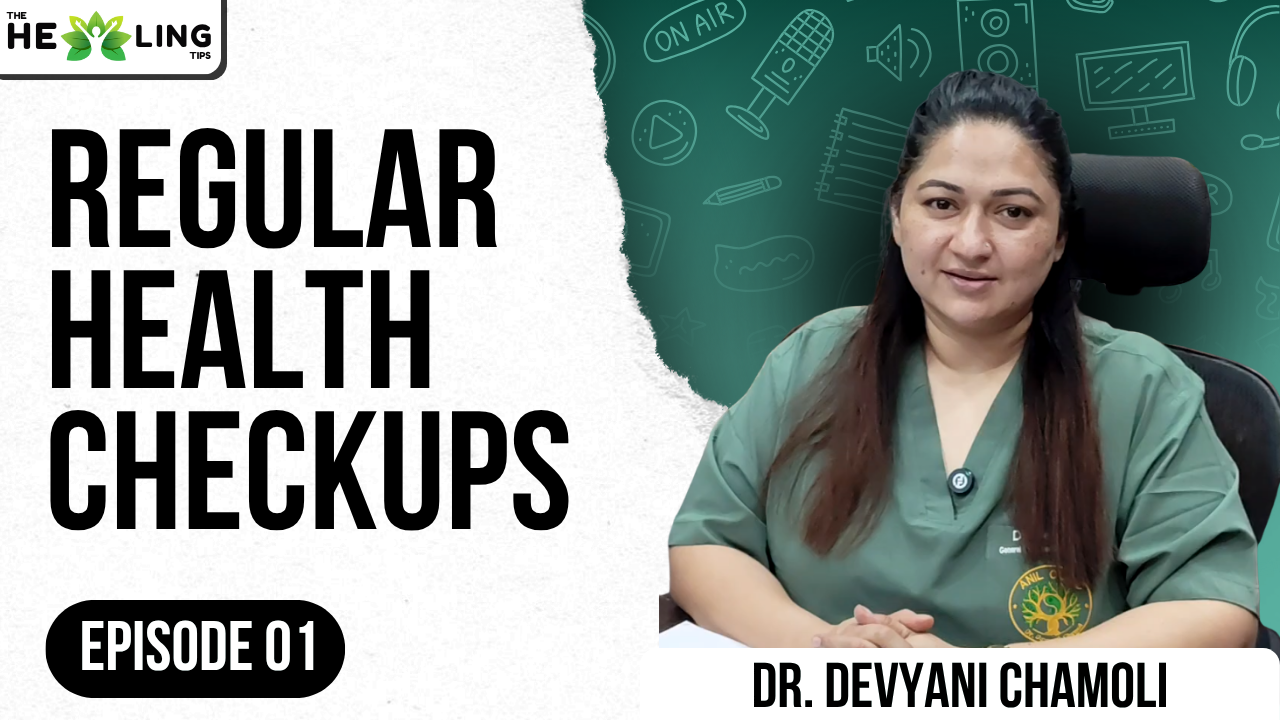
Why Regular Health Checkups Are Important | Early Detection Saves Lives
Regular health checkups are essential because they help detect diseases early, often before symptoms appear, making treatment easier and more effective. These preventive healthcare checkups track your overall wellness, including heart health, blood sugar, cholesterol, vitamin levels, and organ function. By identifying risks early, full body checkups save time, money, and long-term health complications. They also encourage healthier lifestyle choices through medical guidance. In short, regular checkups give you clarity, protection, and peace of mind—proving that early detection truly saves lives.
Listen to This Article
Watch on Youtube


Why Regular Health Checkups Are Important | Early Detection Saves Lives
Staying healthy is not just about eating well or exercising—it's also about regular health checkups that help you understand what’s happening inside your body. Many serious problems begin silently, showing no symptoms until they reach an advanced stage. That’s why the importance of regular health checkups has increased more than ever, especially in today’s fast-paced lifestyle where stress, pollution, and unhealthy habits have become common.
This blog explains why early detection saves lives, the key preventive health checkup benefits, and how routine screenings help you live a longer, healthier life.
What Are Regular Health Checkups? (Definition)
A regular health checkup is a preventive medical examination that assesses your overall health through screenings, blood tests, and physical evaluations.
📢 Purpose:
To detect potential health issues early—even before symptoms appear—so you can treat them on time and avoid complications.
These checkups are designed to monitor vital signs, assess disease risk, and provide guidance for lifestyle improvements. This is why the routine health checkups importance is recognized worldwide by doctors and health organizations.
Why Regular Health Checkups Are Important (Core Benefits)
Regular screenings are essential because they help you take control of your health rather than waiting for problems to show up. Here’s why they matter:
📊 1. Early Detection Saves Lives
Many serious diseases—heart issues, diabetes, cancer—develop slowly and silently. A full body checkup can detect abnormal changes early.
When you catch a disease early:
-
Treatment becomes easier
-
Costs are significantly lower
-
Chances of full recovery increase
-
Risk of long-term complications reduces
This is the biggest reason early detection of diseases is considered the foundation of modern preventive healthcare.
📊 2. Helps Prevent Future Health Problems
Preventive healthcare checkups provide insights into your risk factors. For example:
-
High cholesterol → Risk of heart disease
-
High blood sugar → Early sign of diabetes
-
Vitamin deficiency → Low immunity and fatigue
Identifying these early helps you make simple lifestyle changes that protect your long-term health.
📊 3. Reduces Healthcare Costs
Late-stage treatments are expensive.
Early detection = minimal intervention + less expense.
People who get regular health checkups often save significantly on medical bills over their lifetime.
📊 4. Monitors Your Long-Term Wellness
Your body changes with age, lifestyle, and stress levels. Regular medical tests help track those changes.
Doctors compare your results year-over-year to:
-
Spot unusual patterns
-
Adjust medications
-
Recommend targeted improvements
This ongoing tracking is one of the most underrated preventive health checkup benefits.
📊 5. Improves Lifestyle and Habits
A routine checkup serves as a wake-up call.
Doctors may guide you regarding:
-
Better diet
-
Exercise
-
Sleep routines
-
Stress management
-
Supplements or medications
This personalized advice helps you maintain balanced health for the long term.
Types of Preventive Healthcare Checkups
Not all checkups are the same—each one focuses on different aspects of health.
1. Basic Health Checkup
Covers essential tests like:
-
Blood pressure
-
Blood sugar
-
Cholesterol
-
Complete blood count (CBC)
2. Full Body Checkup
A more detailed examination, including:
-
Liver function test
-
Kidney function test
-
Thyroid profile
-
ECG
-
Vitamin levels
-
Urine analysis
These tests make the benefits of a full body checkup extremely valuable for adults over 25.
3. Age-Specific Screenings
-
Mammograms (women)
-
Prostate exams (men)
-
Bone density tests (seniors)
These screenings ensure the early detection of diseases that are more common with age.
How Often Should You Get a Health Checkup?
Your frequency depends on age, lifestyle, and health history.
Ages 20–30
-
Annual checkup recommended
-
Dental checkup twice a year
Ages 30–40
-
Full body checkup yearly
-
Heart and thyroid tests
Ages 40+
-
More frequent checkups
-
Diabetes and cardiac screenings
-
Cancer-specific tests
Consistency matters more than frequency. The goal is to maintain a routine health checkup habit.
How Regular Checkups Lead to Early Detection (A Simple Breakdown)
Here’s how the process works:
📌 Step 1: Baseline Measurement
Your first checkup provides baseline data (blood sugar, cholesterol, organ function).
This becomes your reference for future comparison.
📌 Step 2: Annual Comparison
Doctors compare your current test results with previous ones.
📌 Step 3: Spotting Abnormalities
Even a slight increase in blood sugar or change in liver enzymes is caught early.
📌 Step 4: Early Intervention
You receive early treatment or lifestyle advice before the issue becomes dangerous.
This is why health experts say early detection saves lives—because minor issues are treated before they become major diseases.
Benefits of Full Body Checkup (Detailed List)
Here are the most impactful benefits:
✅ Detects hidden diseases before symptoms appear
You may feel healthy while problems grow silently.
✅ Helps you understand your organ health
Liver, kidney, heart — all monitored in one package.
✅ Tracks your nutrition and deficiency levels
Vitamin D, B12, iron — essential for energy and immunity.
✅ Reduces long-term healthcare expenses
Prevention is always more cost-effective than cure.
✅ Boosts mental peace and confidence
Knowing your health status gives you clarity and control.
These preventive health checkup benefits provide long-lasting protection for your body.
Who Should Prioritize Regular Health Checkups?
While everyone can benefit, some people need them urgently:
-
People with a family history of chronic diseases
-
Smokers or alcohol consumers
-
Individuals with stressful lifestyles
-
Overweight or obese individuals
-
People above 35
-
Women with hormonal imbalance issues
-
Seniors over 60
The importance of regular health checkups becomes even more crucial for these groups because their risk factors are higher.
Tips to Make the Most Out of Your Health Checkup
📢 1. Choose a reliable healthcare provider
Pick hospitals or diagnostic centers with accurate testing and good reviews.
📢 2. Schedule checkups at the same time every year
This helps track your progress more accurately.
📢 3. Share your medical history honestly
Doctors can guide you properly only when they have complete information.
📢 4. Follow your test results with action
Use the doctor’s recommendations to improve your habits and lifestyle.
Why Early Detection Saves Lives (Real-World Insight)
Healthcare research shows that early screening increases survival rates dramatically:
-
Breast cancer detection early → 99% survival rate
-
Diabetes diagnosed early → Prevents organ damage
-
Heart disease detected early → Reduces risk of attack by 70%
These findings from global health agencies confirm why preventive checkups should never be ignored.
Conclusion
The importance of regular health checkups cannot be overstated. They help you identify risks early, prevent major diseases, and create a healthier life. By developing a habit of preventive healthcare checkups, you safeguard your future and give yourself the best chance at long-term wellness.
Remember — early detection saves lives, and the best time to start prioritizing your health is today.
✅ Advantages of Regular Health Checkups
-
🎯 Helps with early detection of diseases before symptoms appear.
-
🚀 Reduces long-term healthcare costs through preventive care.
-
💡 Provides a clear picture of your overall organ health and nutritional status.
-
🛡️ Lowers the risk of chronic complications like diabetes, heart issues, and thyroid disorders.
-
📊 Tracks long-term health progress and identifies abnormal changes early.
-
😌 Improves mental peace by giving clarity and control over your health.
-
🍏 Encourages healthier lifestyle choices with doctor-guided recommendations.
-
🔍 Detects hidden deficiencies and hormonal imbalances that affect daily energy levels.
-
🧬 Helps assess family-history related risks and take timely preventive steps.
⚠️ Disadvantages of Regular Health Checkups
-
⏳ Time-consuming for people with busy schedules, especially full body checkups.
-
💰 Can be expensive if done at premium hospitals or without insurance coverage.
-
😟 May cause anxiety while waiting for test results or discovering minor abnormalities.
-
🔄 Some tests may lead to follow-up procedures, increasing time and costs.
-
🧪 Over-testing occasionally results in unnecessary treatments or false alarms.
-
🚗 Not easily accessible for people living in remote or rural areas.
Related Blogs

The Art of Managing Business and Patient Care
It is a long established fact that a reader will be distracted by the readable content of a page when looking at its layout.
Read Time 2 Min
The Art of Managing Business and Patient Care
It is a long established fact that a reader will be distracted by the readable content of a page when looking at its layout.
Read Time 2 Min
The Art of Managing Business and Patient Care
It is a long established fact that a reader will be distracted by the readable content of a page when looking at its layout.
Read Time 3 Min
The Art of Managing Business and Patient Care
It is a long established fact that a reader will be distracted by the readable content of a page when looking at its layout.
Read Time 3 Min